Remote and compliance work
We work where the road stops
The Low Isles light on a coral cay, ranger bases on Cape York, lava tubes in the Gulf. Fifteen sites for Queensland Parks and the Department of Environment since 2020.
- 5.0 on Google
- 24/7 emergency callout
- Licence 82270
Appointed to the Queensland Parks and Wildlife panel for the northern region
Craiglie · the shed
15Remote sites since 2020
Elliot FallsOur northernmost site, near the tip of Cape York
1,000 kmBetween our southernmost and northernmost sites
15 kmOffshore, by our own boat
Why it matters
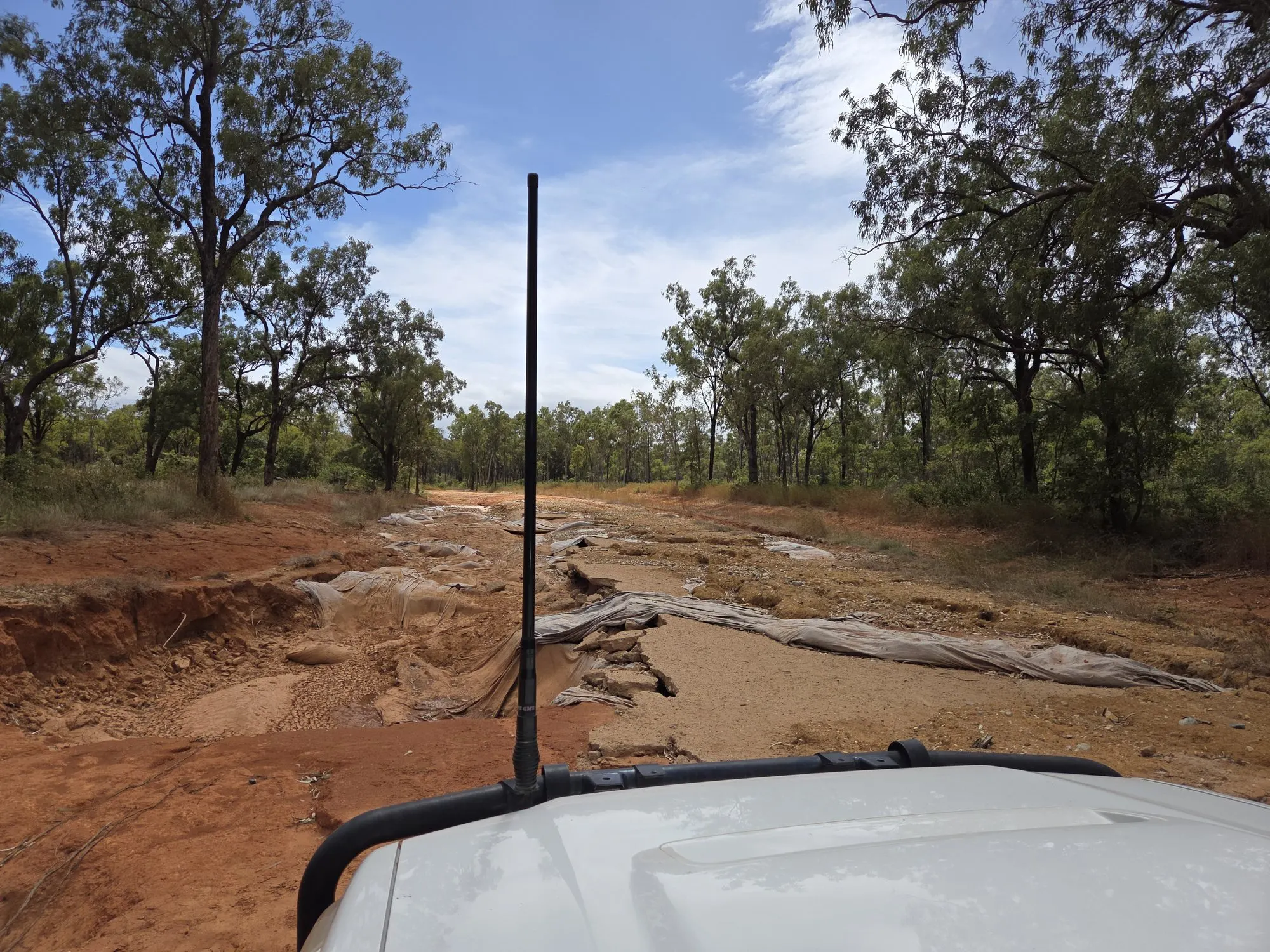
Getting a licensed electrician to Coen is not hard because the work is hard. It is hard because of the four hundred kilometres in front of it.
Most electrical contractors price a remote job as two days of travel, a night's accommodation and a set of gear they had to buy for the trip. That is before anyone picks up a tool. It is why so much remote work waits until something actually fails.
We are already up there. We are on the road through the dry for Queensland Parks and the Department of Environment, so the truck is loaded and the accommodation is sorted whether you come along or not. If you are near a site we are already attending, the travel is not yours to pay for.
It is not only government work. Mount Carbine and Territory Minerals are on our books the same way, and the same rule applies: if we are already heading your direction, you are not paying for the trip on your own.
Where we go
Every pin is a site we have actually worked
Not a service area drawn on a map. These are the places our job records say we have been, from Ingham Ranger Base in the south to Elliot Falls near Shelburne, right up near the tip of the Cape.
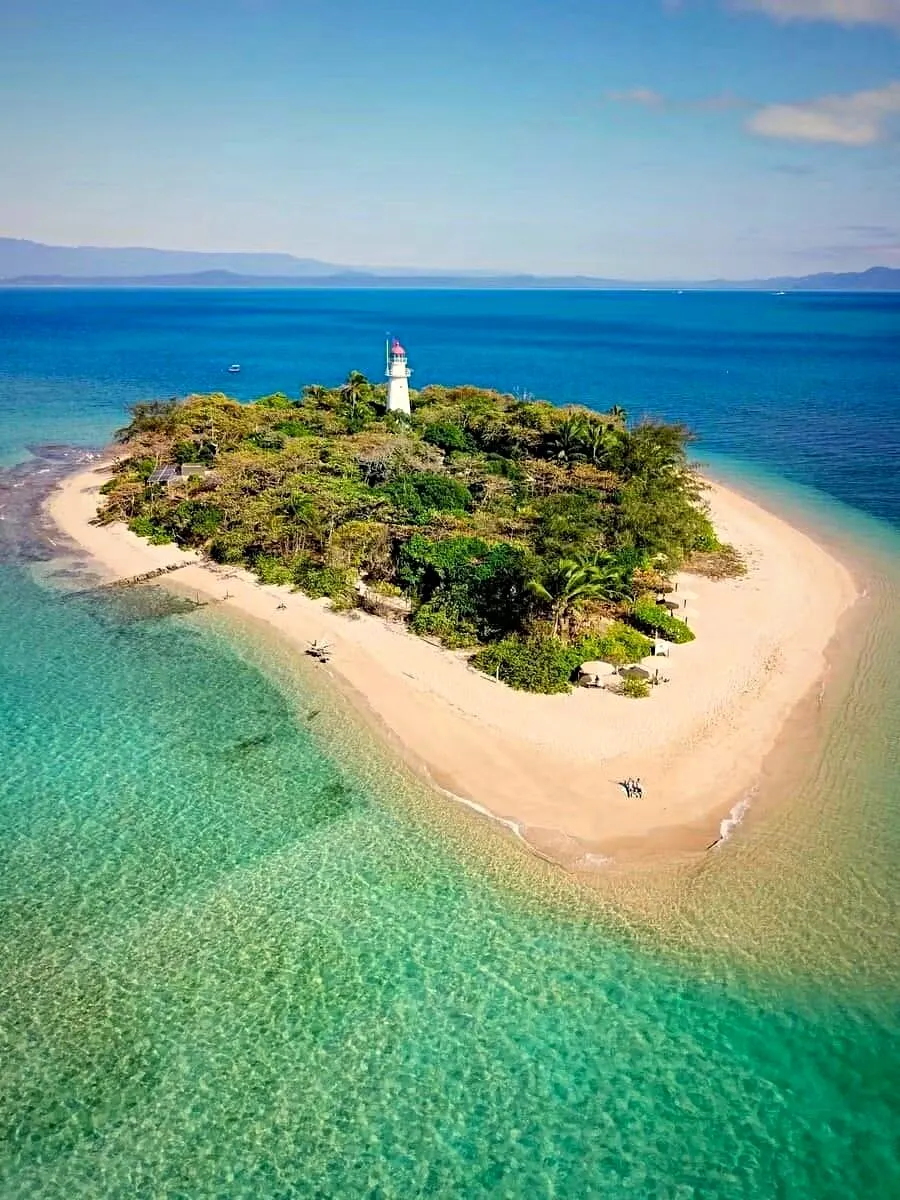
One of them has no road at all. The Low Isles light sits fifteen kilometres off Port Douglas and we reach it in our own boat, which means no barge booking and no second trip if a part gets left behind.
The furthest north is Elliot Falls, near the tip of the Cape. The furthest west is Undara, out in the Gulf country where the lava tubes are. The wet season closes some of them for months at a time, which is known well in advance, so the year is planned around it rather than interrupted by it.
Coordinates are approximate. The map is a diagram of a run, not a survey
When we are up there
The roads decide the schedule, not us.
Cape York work runs in the dry, normally April and May, then again in October and November. Nothing runs in January. The Daintree ferry stops when the river is up, the Peninsula Developmental Road closes, and the sensible thing is to plan around that rather than promise around it.
If you have work at a remote site, the time to ring is before a run, not after. Two months of notice usually means we can add you to a trip that is already happening.
Solid is a normal run. Faded is weather dependent. Blank means the road is likely not passable, so it would depend on the conditions closer to the time.
What the trip looks like
Loaded, and a long way from a supplier
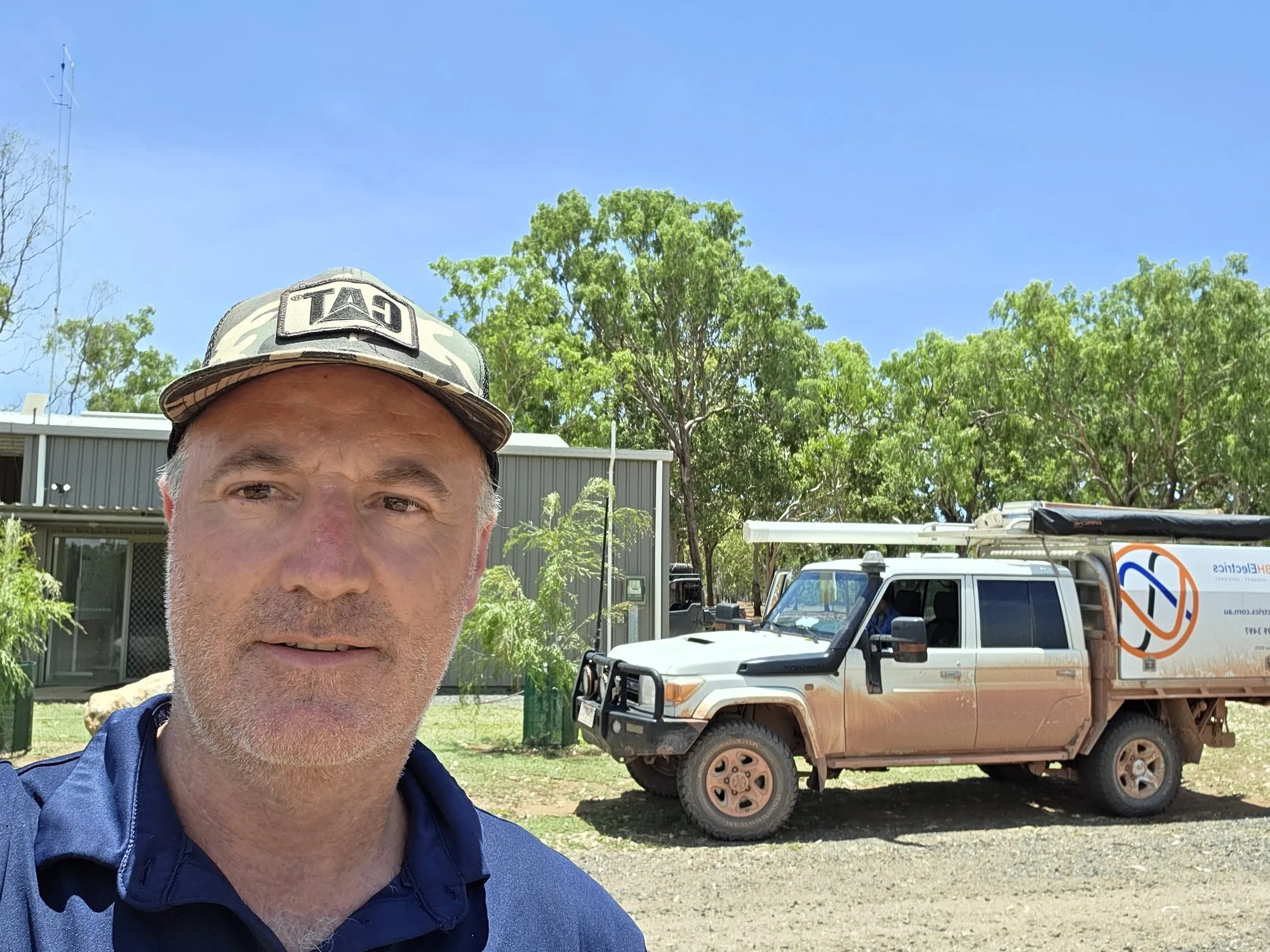
The four wheel drive carries the tools, the test gear and the spares, because the nearest wholesaler is several hundred kilometres and a river crossing away. What does not go on the truck does not get fitted that trip.
That is the difference between a remote job and a town job. It is not the work, which is the same licensed work. It is that you get one go at it.
Cape York ranger bases · 800 km
What we do out there
The same licensed work as anywhere else, done by people who have already sorted out how to get to it.
The one everybody asks about
The Low Isles light
Fifteen kilometres off Port Douglas, on a coral cay you cannot drive to. Switchboards, safety switch testing, pump circuits and lighting on the island buildings, plus the compliance paperwork that goes with somewhere the public visits.
There is no barge and no truck access. We load our own boat, we go, and we finish the job, because there is no coming back this afternoon for a part.
Low Isles · 15 km offshore
If you are somewhere remote and you need a licensed sparky, leave a number and we will ring you back and tell you when we are next up your way.
Request a call backStraight answers
Remote and compliance work: the questions
Do you travel to remote sites on Cape York?
Yes. We work across the northern region for Queensland Parks and Wildlife and the Department of Environment, Science and Innovation, from Ingham up to Elliot Falls near Shelburne. 65 jobs across 15 sites since February 2020. Cape York work runs in the dry, normally April and May and again in October and November, because the roads decide the schedule.
Can you service island and offshore sites?
Yes. We work at the Low Isles lighthouse fifteen kilometres off Port Douglas. We use our own boat, so there is no waiting on a barge and no second trip if something is forgotten.
We are a business in a remote area. Can we get on a trip?
Usually, yes. When we are already running a site nearby you are not paying to get us there, which is normally the largest part of the cost of a remote callout. Ring the office and ask when we are next in your area.
What compliance paperwork do you provide?
Certificates of Testing and Compliance on installation work as Queensland law requires, test and tag registers, RCD test records and emergency lighting logbooks. On government sites the paperwork is the deliverable as much as the work is, and it comes back complete.